Phase 3: Making Your Shift
What is the issue?
Your appetite can feel like a storm at sea — powerful, unpredictable, sometimes overwhelming. Many sailors try to fight these forces, struggling against wind and wave with sheer willpower. This approach exhausts both boat and crew.
The real skill lies not in battling the elements, but in learning to work with them. Your appetite, like the ocean itself, holds immense power. When you understand its patterns and respect its strength, it becomes an ally in your journey rather than an adversary.
What do you think?
Take a moment with your Captain's Log.
When was the last time you felt completely at war with your appetite? What thoughts crossed your mind? What emotions arose? Notice if words like "out of control" or "broken" appear in your story.
Now consider:
What if your appetite wasn't your enemy? What if those signals of hunger and wanting weren't failures but navigation tools - clear indicators helping you sail your course?
What else would be good to know?
Your appetite exists to keep you alive. Like a ship's compass pointing north, it provides essential information about what your body needs.
But years of diet culture and food rules can distort these signals, making them feel untrustworthy.
The key is learning to read your appetite's messages without judgment.
This means:
Noticing hunger and wanting without immediate reaction
Accepting that both physical and emotional signals matter
Understanding that appetite fluctuates like ocean tides
Recognizing that fighting natural forces only depletes energy
Think of yourself as a weather station, calmly observing conditions rather than trying to control them. When a storm approaches, you don't curse the clouds — you read the radar and adjust your sails accordingly.
Two core tools help develop this relationship with appetite:
Acceptance: Allowing appetite signals to exist without fighting them. Just as skilled sailors accept that seas will sometimes be rough, you can acknowledge hunger or wanting without viewing them as threats.
Commitment: Choosing actions aligned with your values, even amid strong appetite signals. Like maintaining your course despite shifting winds, you can hold steady to your chosen direction while working with, not against, your body's cues.
How do I apply this right now? How do I explore this more?
Let's practice becoming an appetite ally through an activity and a powerful resource:
You may stop reading the lesson and do the activity now or wait until the end of the lesson to do the activity in sequence.
Once you complete the lessons, the activities appear on their own pages so you can find them and repeat them anytime.
Activity:
Acceptance and Commitment Metaphors
This exercise helps you understand difficult thoughts and feelings around appetite using powerful visual metaphors. When emotional storms arise around food, these tools provide clear navigation strategies. each of them. The commitment statement should be as follows:
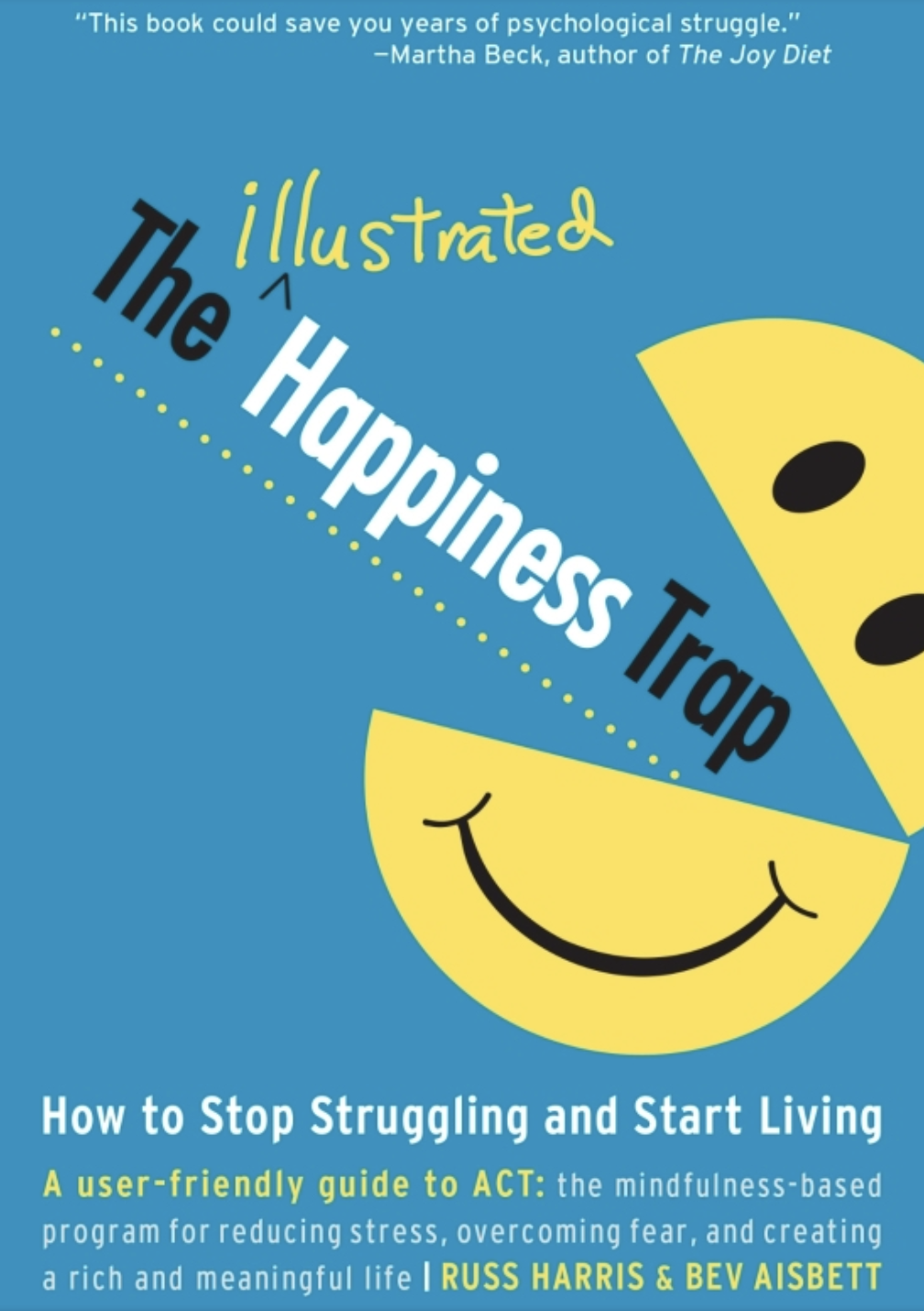
The Illustrated Happiness Trap
by Russ Harris and Bev Aisbett
We love this book it outlines the six core principles that can help you tackle unpleasant thoughts and feelings. An easy and fun way to introduce and practice Acceptance and Commitment Therapy (ACT) to create a more satisfying and meaningful life.
Through engaging illustrations and practical exercises, you'll discover how to work with challenging thoughts about food and body without letting them take control of your ship.
Click the book image below to preview the first few pages:
Learn more or explore and enjoy samples of books by Russ Harris. Visit his website for free worksheets and other great resources from the founder of this mindset.
How do I bring it all together?
Your appetite is neither good nor bad — it's simply part of your brain’s engagement with the world around you. Learning to work with it rather than against it conserves energy and makes the journey more sustainable.
In your Captain's Log, practice noting appetite signals with curiosity rather than judgment.
Instead of "I shouldn't be hungry again," try "I notice hunger arising."
Rather than "I can't control my cravings," consider "I'm experiencing wanting right now."
How will I know if this is making a difference? How do I start noticing the changes?
Watch for these signs of growing appetite alliance:
Less mental energy spent fighting hunger or wanting
Increased ability to notice appetite signals before they become overwhelming
More neutral language when describing eating experiences
Greater trust in your body's cues
Reduced anxiety around food decisions
What is next?
As you develop this alliance with your appetite, you'll discover it becomes a valuable crew member rather than a threatening force.